
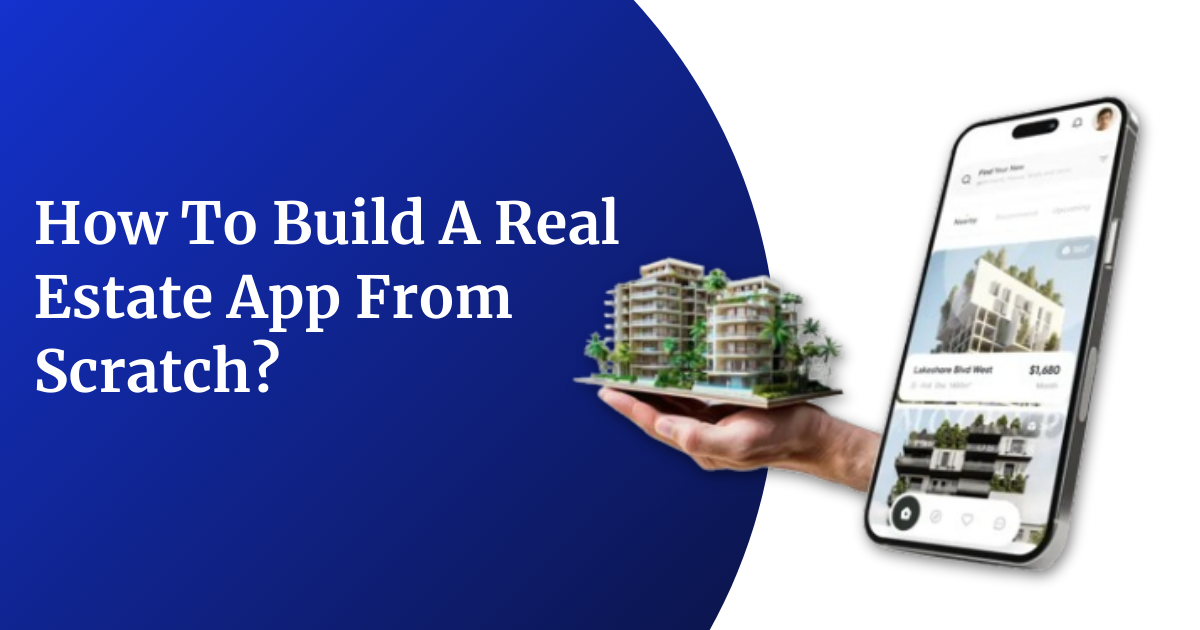
The real estate industry is experiencing a massive digital transformation. With more people turning to their smartphones to search for properties, the demand for real estate apps has skyrocketed. Whether you’re a startup founder, real estate business owner, or entrepreneur, building a real estate app can give you a competitive edge in today’s mobile-first world.
A well-designed real estate app simplifies property buying, selling, and renting by connecting buyers, sellers, agents, and renters on a single platform. But how do you build one from scratch? This comprehensive guide walks you through everything you need to know—from market insights and essential features to development steps and costs.
Real Estate App Market: Growth & Opportunities
Understanding market trends is crucial before investing in app development. According to Grand View Research, the real estate software market is growing rapidly:
- Market Size (2023): $10,285.7 million globally
- Market Size (2024): $10,882.2 million
- Projected Growth (2030): $21,766.9 million
- CAGR (2024-2030): 3% annual growth
- Market Leader: North America holds 38% of the global market share
These statistics show that investing in real estate app development is not just trendy, it’s a smart business decision with long-term potential. If you’re planning to enter this growing market, partnering with a reliable provider of real estate app development services can help you build a scalable, user-friendly solution faster.
What Is a Real Estate App?
A real estate app is a digital platform that streamlines property-related activities like buying, selling, renting, and managing real estate. It connects multiple stakeholders—buyers, sellers, agents, landlords, renters, and investors—in one convenient ecosystem.
Key Components of a Real Estate App Ecosystem
- Users: Buyers, sellers, renters, landlords, agents, brokers, investors
- Core Technologies: Geolocation & mapping, data analytics, AR/VR tours, communication tools, finance calculators
- Platform Support: iOS and Android mobile apps, sometimes web platforms
Why Building a Real Estate App Is a Smart Investment
Before diving into development, let’s explore why entrepreneurs should consider building a real estate app.
1. Growing Market Demand
More people prefer searching for properties online rather than through traditional methods. A mobile app makes it easier for users to browse listings, compare options, and make informed decisions quickly. This growing demand creates excellent opportunities for businesses to capture a large user base.
2. Multiple Revenue Streams
Real estate apps offer diverse ways to generate income, including subscriptions, advertisements, commissions on transactions, and featured property listings. This variety reduces dependence on a single revenue source and ensures steady cash flow.
3. Enhanced User Experience
Modern apps offer advanced search filters, interactive maps, virtual tours, and instant communication between buyers and sellers. These features create a smooth, engaging experience that keeps users coming back and increases the likelihood of successful property transactions.
4. Wider Accessibility and Reach
Mobile apps allow users to browse properties anytime, anywhere. This 24/7 accessibility helps you reach a broader audience beyond local boundaries, connecting buyers, sellers, and agents across different regions and time zones.
5. Automation and Efficiency
Real estate apps automate tasks like lead tracking, appointment scheduling, notifications, and listing management. This automation saves time, reduces human error, and allows your team to focus on growth and building stronger client relationships.
Top Real Estate Apps in the Market
Learning from successful apps can provide valuable insights. Here are some of the most popular real estate apps:
| App Name | Launch Year | Rating | Downloads | Platforms |
| Zillow | 2006 | 4.7 | 100M+ | iOS, Android |
| Realtor.com | 2010 | 4.6 | 50M+ | iOS, Android |
| Trulia | 2005 | 4.5 | 10M+ | iOS, Android |
| Redfin | 2010 | 4.7 | 10M+ | iOS, Android |
| Apartments.com | 2011 | 4.8 | 10M+ | iOS, Android |
| NoBroker | 2014 | 4.4 | 10M+ | iOS, Android |
| 99acres | 2005 | 4.1 | 5M+ | iOS, Android |
| Magicbricks | 2013 | 4.0 | 5M+ | iOS, Android |
| Housing.com | 2012 | 4.3 | 10M+ | iOS, Android |
| Bayut | 2014 | 4.2 | 1M+ | iOS, Android |
Step-by-Step Guide: How To Build A Real Estate App
Now let’s dive into the actual development process. Here’s a detailed roadmap to build your real estate app from scratch.
Step 1: Research and Understand Market Needs
Start with thorough market research. Identify current trends, understand your target audience’s pain points, and analyze what your competitors are doing well (and where they’re falling short). This research helps you:
- Identify gaps in the market that your app can fill
- Understand user preferences and behavior patterns
- Define your unique value proposition
- Set realistic goals and expectations
Step 2: Define Features and Choose a Business Model
Decide which features your app will include and how you’ll make money. Core features should address user needs while your business model ensures profitability. Consider starting with an MVP (Minimum Viable Product) that includes essential features, then add advanced functionality based on user feedback.
Step 3: Select the Right Technology Stack
Your technology stack is the foundation of your app. Choose programming languages, frameworks, databases, and tools that ensure:
- Strong performance and fast loading times
- Robust security for user data
- Scalability to handle growing user numbers
- Cross-platform compatibility or native development advantages
Step 4: Design an Intuitive UI/UX
Create wireframes and prototypes to visualize your app’s look and feel. Focus on creating a clean, user-friendly interface with:
- Simple navigation that makes sense to first-time users
- Clear visual hierarchy guiding users to important actions
- Smooth user flows from browsing to contacting sellers
- Attractive design that reflects your brand identity
Step 5: Development Phase
This is where your app comes to life. Developers will code the frontend (what users see), backend (server-side logic), and integrate third-party services like payment gateways, map APIs, and communication tools. Consider partnering with an experienced real estate app development company to ensure quality.
Step 6: Rigorous Testing and Quality Assurance
Before launch, thoroughly test your app across multiple devices and scenarios. Test for:
- Bugs and technical glitches
- Performance under various conditions
- Security vulnerabilities
- User experience across different devices
Step 7: Launch and Promote Your App
Submit your app to the App Store and Google Play Store with proper App Store Optimization (ASO). But launching is just the beginning—you need to actively promote your app through:
- Digital marketing campaigns
- Social media advertising
- SEO-optimized content
- Partnerships with real estate agencies
Step 8: Ongoing Maintenance and Updates
Your work doesn’t stop after launch. Regularly update your app with:
- Bug fixes and performance improvements
- New features based on user feedback
- Security patches
- Compatibility with new OS versions
Essential Features Every Real Estate App Should Have
The right features can make or break your app’s success. Here are the must-have functionalities:
1. User Profiles and Easy Onboarding
Allow users to sign up quickly using email, phone number, or social media accounts. User profiles should let them save preferences, manage favorites, and track their activity history.
2. Advanced Search and Smart Filters
Help users find their perfect property with filters for location, price range, property type, size, number of bedrooms, amenities, and more. The easier it is to search, the more satisfied your users will be.
3. Interactive Map Integration
Integrate maps to show property locations, nearby amenities (schools, hospitals, shopping centers), and neighborhood information. Visual location data helps users make better-informed decisions.
4. Real-Time Push Notifications
Keep users engaged with instant alerts about new listings matching their criteria, price drops, saved property updates, or messages from agents. Timely notifications can significantly increase conversion rates.
5. Mortgage and EMI Calculator
Integrate a financial calculator that helps users estimate monthly payments based on property price, down payment, interest rate, and loan term. This transparency builds trust and helps users plan their budgets.
6. In-App Communication
Enable direct messaging or calling between buyers, sellers, and agents within the app. Quick, convenient communication speeds up negotiations and builds relationships.
7. Rich Property Listings
Display high-quality images, videos, detailed descriptions, floor plans, and key property specifications. The more information you provide, the more confident users feel about reaching out.
8. AR/VR Virtual Tours
Offer immersive virtual property tours using augmented or virtual reality. This feature saves time for both buyers and sellers by allowing remote property viewing with realistic spatial awareness.
Cost To Build A Real Estate App
The cost to develop a real estate app typically ranges from $8,000 to $30,000, depending on complexity, features, and design requirements.
| App Type | Features Included | Estimated Cost |
| Basic Real Estate App | User sign-in, simple listings, basic search, contact form | $8,000 – $12,000 |
| Mid-Range Real Estate App | Advanced filters, map search, favorites, push notifications | $12,000 – $20,000 |
| Advanced Real Estate App | Agent dashboard, in-app chat, virtual tours, analytics | $20,000 – $30,000 |
Factors That Affect Development Costs
1. UI/UX Design Complexity
Simple designs with basic layouts cost less, while custom, animated, and highly interactive designs increase costs. Budget: $2,000–$10,000 depending on complexity.
2. Technology Stack Selection
Basic tech stacks cost less, while advanced technologies with AI recommendations, cloud infrastructure, and analytics tools increase costs. Budget: $2,000–$10,000.
3. Developer Location and Expertise
Offshore development teams (Asia, Eastern Europe) offer cost-effective solutions ($8,000–$15,000), while onshore teams (US, Western Europe) charge premium rates ($22,000–$30,000) but may offer faster delivery and easier communication.
4. Platform Choice
Developing for a single platform (iOS or Android) costs less than building for both. Cross-platform development offers a middle ground, while separate native apps provide the best performance but at higher costs.
How to Make Money with Your Real Estate App
Here are proven monetization strategies for real estate apps:
1. Subscription Model
Charge users monthly or annual fees for premium features like unlimited property listings, advanced analytics, priority customer support, and exclusive market insights.
2. In-App Advertising
Display targeted ads from real estate agencies, mortgage providers, home insurance companies, and home service brands. Earn revenue based on impressions or clicks.
3. Commission-Based Model
Take a percentage commission on every successful property transaction completed through your platform. This aligns your success with user success.
4. Featured Listings
Allow property owners and agents to pay extra for prominent placement at the top of search results, increasing visibility and leads.
5. White-Label Solutions
License your app platform to other real estate agencies and businesses who want to use it under their own brand name, providing a steady B2B revenue stream.
Common Challenges When Building a Real Estate App
Be aware of these potential obstacles:
- Data Accuracy: Keeping property listings, prices, and availability updated in real-time requires robust data management systems.
- Security Concerns: Protecting sensitive user data (financial information, personal details) from breaches is critical.
- Scalability Issues: Your app must handle growth from hundreds to millions of users without performance degradation.
- Complex User Experience: Balancing feature-rich functionality with simplicity is challenging but essential.
- Legal Compliance: Real estate apps must comply with fair housing laws, data privacy regulations, and local licensing requirements.
Final Thoughts
Building a real estate app from scratch is a strategic investment that can transform how you do business in the property market. With the right combination of market research, essential features, solid technology, and effective monetization strategies, you can create an app that serves real user needs while driving sustainable business growth.
Remember that success requires more than just development—it demands ongoing maintenance, user feedback integration, and continuous improvement. Whether you’re building a simple property listing app or a comprehensive platform with AR/VR tours and AI recommendations, focus on solving real problems for your users.
By following this guide, you now have a clear roadmap to build a competitive real estate app that delivers value to users and helps your business thrive in the digital real estate marketplace.